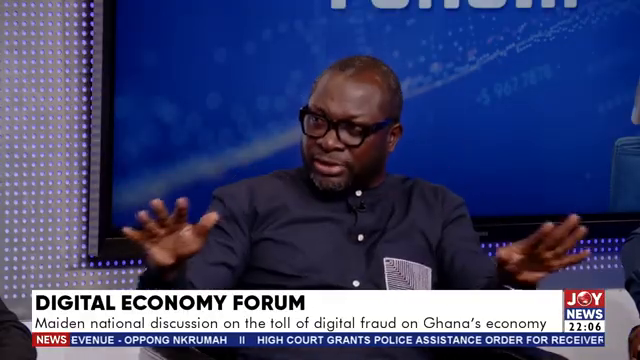
The Trust Crisis: Why Fraud Is Holding Back Ghana’s Digital Economy | 22-07-2026


Channel: JoyNews
Uploaded by JoyNews on 20260722
Categories: News & Politics
Tags: Ghana, Ghanaians, President Mahama, Akufo-Addo, YouTube, Breaking, YouTube Trends, YouTube News, YouTube Live, YouTube Search, YouTube Ghana, Trending in Ghana, Ghana Trends, Black Star Square, Former first lady of the republic of Ghana, SONA 2026, Mahama, Parliament, Speaker, Bagbin, Minority, Majority, AKOSOMBO FIRE, BOG ¢15B LOSS
LIVE: Fraud is threatening trust in Ghana’s digital economy. Join industry leaders, experts and policymakers as they discuss: The Trust Crisis: Why Fraud Is Holding Back Ghana’s Digital Economy | 22-07-2026 #DigitalEconomyForum

This YouTube video titled "The Trust Crisis: Why Fraud Is Holding Back Ghana’s Digital Economy | 22-07-2026" by JoyNews presents a special broadcast featuring a premiere documentary followed by a live panel discussion. Below is a detailed breakdown of its content:

1. Documentary Premiere: "The Trust Crisis"

The video opens with the premiere of an exclusive documentary investigating how cybercrime, financial fraud, and social engineering are threatening Ghana's rapidly growing digital and cashless economy.

Scale of the Digital Economy:

Digital financial transactions in Ghana reached nearly 10 billion transactions valued at over 4.5 trillion Ghana Cedis in 2025.

Over 80 million mobile money accounts exist, with over 26 million actively used every 90 days.

The Global & Local Context of Fraud:

Global cybercrime losses reached $10.5 tril
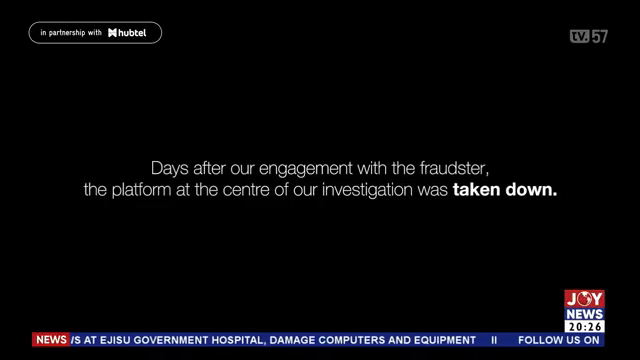
Image for chunk 1

lion in 2025 (up from $3 trillion in 2015), effectively positioning cybercrime as the world's third-largest economy behind the US and China.

West Africa is identified by Interpol as a high-risk area for online scams.

Common Fraud Vectors & Typologies:

Social Engineering: Manipulating victims into revealing PINs, OTPs, or approving unauthorized secondary device additions.

Brand Impersonation & Cloned Websites: Phishing via fake merchant websites (e.g., cloned search engine results for brands like KFC or impersonating telco reps like MTN/DSTV).

Cross-Platform Movement: Fraudsters quickly transfer illicit funds from mobile wallets into bank accounts or international jurisdictions (Dubai, Malaysia, South Africa, India).

Impact & Proposed Interventions:

Fraud degrades public trust, leading some merchants and informal market vendors to re

Image for chunk 2

ject digital payments and revert to cash.

Key recommendations include establishing industry-wide fraud reporting APIs, real-time data sharing across banks and FinTechs, and preventive measures rather than relying solely on law enforcement prosecution (which succeeds in under 5% of global cases).

2. Panel Discussion

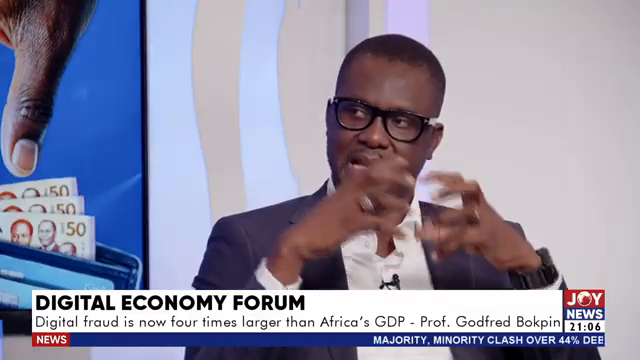
Host Johnny Hughes leads a panel of key regulatory, cybersecurity, banking, and academic figures to analyze the documentary's findings and debate solutions.

Panelists:

Hanan Orasari – Head of FinTech & Innovation Dept., Bank of Ghana (BOG)

John Awuah – Chief Executive Officer, Ghana Association of Banks (GAB)

Prof. Peter Quartey / Prof. Godfred Bokpin – Economist, University of Ghana Business School

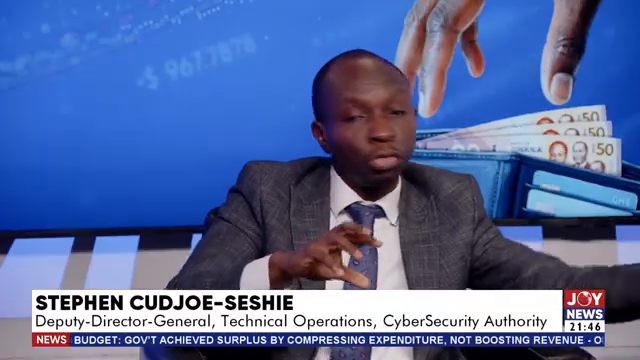
Steven K. Asashi – Deputy Director-General (Technical Operations), Cyber Security Authority (CSA)

Gordon Tamaklo – Chief Ris

Image for chunk 3

k & Compliance Officer, Mobile Money FinTech Ltd. (MTN MoMo)

Ivan Buff – Head of Internal Affairs, Hubtel

3. Key Topics Debated by the Panel

A. Is Ghana Facing a Trust Crisis?

Bank of Ghana (Hanan Orasari): Argues Ghana is not yet in a full trust crisis, but there is a clear potential crisis. Given the scale (10 billion transactions vs. ~20,000 reported fraud incidents), the percentage is small, but signals must not be ignored.

Ghana Association of Banks (John Awuah): Highlights that pervasiveness and incident rate—not just monetary loss—determine public trust. Reluctance to share basic details like account numbers indicates declining consumer confidence that needs immediate intervention.

B. Regulatory Arbitrage & Ecosystem Collaboration

FinTechs vs. Banks: Banks express concern over FinTechs/PSPs having lower KYC requirements and l

Image for chunk 4

ess security infrastructure investment, allowing them to be targeted as entry points for fraudsters.

FinTech Perspective (Gordon Tamaklo & Ivan Buff): FinTechs note that regulation is risk-proportionate; physical cash balances backing e-money sit within commercial banks. They emphasize that modern fraud targets human psychology rather than system infrastructure bypasses.

System Integration (FixSOC): Bank of Ghana and the CSA confirm efforts to integrate FinTechs and Savings & Loans into the Financial Intelligence Command and Security Operations Center (FixSOC) over the next year to provide shared 360-degree security monitoring.

C. Consumer Education & Human Factors

Panelists agree that social engineering is the primary driver of fraud.

Mobile Money operators emphasize that practically all MoMo fraud cases occur because users explici

Image for chunk 5

tly enter their PIN or share OTPs after being manipulated.

Initiatives such as nationwide multi-lingual community outreaches (markets, mosques, churches) and media campaigns are being expanded to raise financial literacy.

D. Q&A Session with the Audience

AI-Driven Fraud: Students and participants question how Ghana is countering AI-generated fraud. The CSA highlights the use of machine learning, pattern matching, and threat intelligence to detect automated attacks.

Recovery of Defrauded Funds: Panelists explain that chargebacks exist for unauthorized card transactions. For mobile money, speed is crucial: reporting within 5 minutes gives an ~85% chance of freezing funds before cash-out or conversion to crypto.

Police Preparedness: MoMo agents express concern over frontline police officers lacking technical understanding of digital fi

Image for chunk 6

nancial fraud. The CSA notes ongoing joint training initiatives through the Joint Cybersecurity Committee (JCC).

4. Panel Conclusion & Key Takeaways

Each panelist delivers a closing recommendation to sustain Ghana's digital transition:

Financial & Digital Literacy: Early, continuous education for all citizen demographics.

Behavioral Technology: Investing in AI-driven behavioral monitoring and device intelligence to flag anomalous activity proactively.

Information & Intelligence Sharing: Implementing a centralized API cross-referencing fraudulent numbers/cards across banks, telcos, and FinTechs in real time.

Ecosystem Unity: Unifying FinTech entities under a formal industry association to collaborate directly with banks and regulators.

The Trust Crisis: Why Fraud Is Holding Back Ghana’s Digital Economy | 22-07-2026

JoyNews · 1.4K vie

No image available for chunk 7

Viewer Discussion & Comments

@YahayaDassah
Can I learn more from this guide channel